
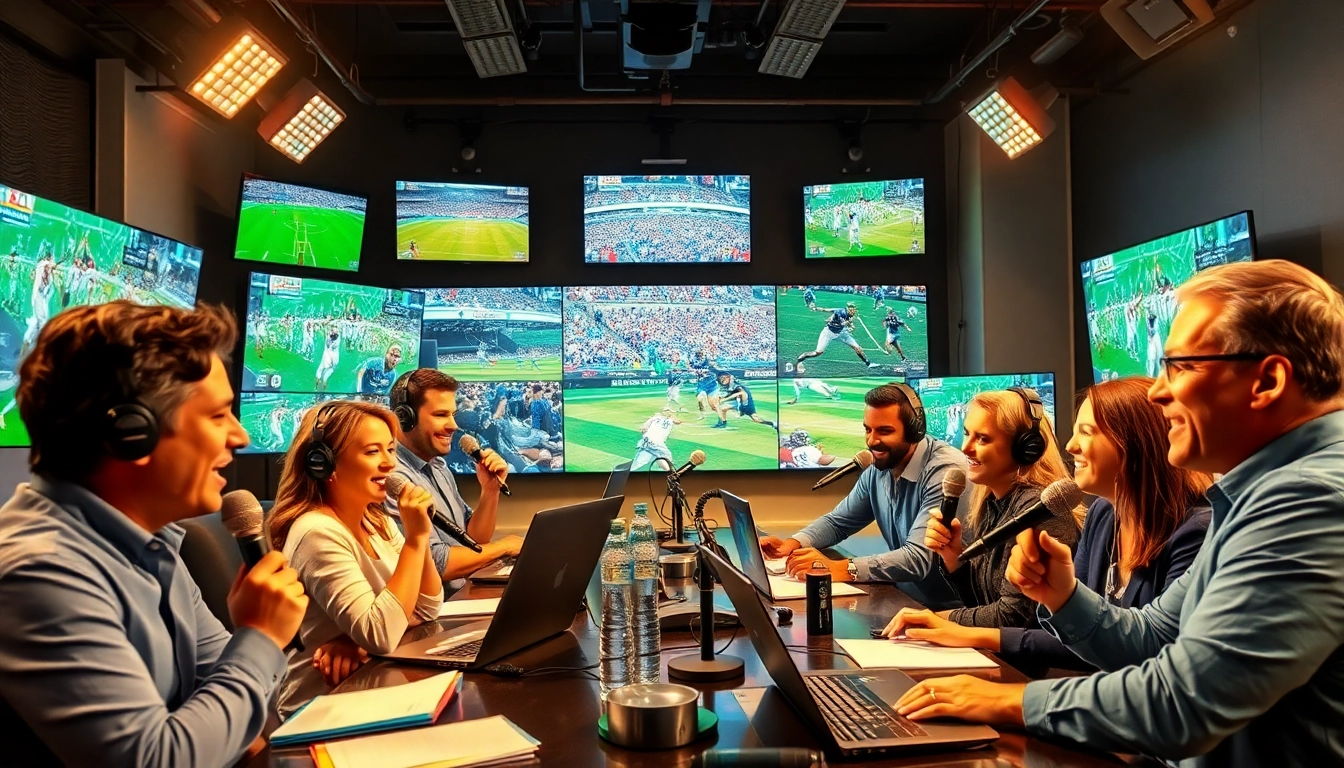
Understanding the Importance of Sports Broadcasting
The Role of Sports Broadcasting in Today's Media Landscape
Sports Broadcasting plays an essential role in contemporary media, acting as a bridge between sports enthusiasts, the athletes themselves, and the wider community. As audiences flock to various platforms, the reach and impact of sports broadcasting have expanded. Major sporting events can now attract billions of viewers globally, providing opportunities for brands, advertisers, and sponsors to connect with fans. This intersection of commerce and sport is vital for both financial and cultural engagement.
The advent of digital media has revolutionized how audiences consume sports. Live broadcasts, highlights, and expert analyses enhance viewer engagement, making them active participants in the sports experience. As more channels and platforms emerge, the significance of Sports Broadcasting cannot be understated, as it delivers not just entertainment but also community and identity.
Key Audiences and Their Needs in Sports Broadcasting
Understanding the diverse audiences in sports broadcasting is crucial for effective engagement. Fans can be segmented into various categories, each with unique preferences and demands. Traditional fans admire the excitement of live games, while younger audiences lean towards highlights and quick insights shared via social media. The needs of these audiences include accessibility, comprehensive coverage, and engaging content that resonates with their interests.
Moreover, demographic factors also shape consumption patterns. While millennials may prefer streaming services, older demographics often lean toward traditional television broadcasts. A refined approach that accounts for these variances is key for any broadcaster aiming to attract and retain viewers.
The Evolution of Sports Broadcasting Technologies
Technological advancements have continually reshaped sports broadcasting. From radio to television, and now to mobile streaming, every leap has enhanced viewer experience. High-definition broadcasts, 4K imaging, and augmented reality have made sports broadcasts more immersive. Innovations such as interactive graphics and real-time statistics add a layer of insight that traditional broadcasts lack.
The incorporation of artificial intelligence and machine learning aids in content personalization, further engaging audiences based on their viewing history and preferences. As technology evolves, the integration of advanced analytics continues to transform story-telling in sports broadcasting, paving the way for a richer viewer experience.
Strategies for Successful Sports Broadcasting
Creating Compelling Content for Sports Broadcasting
Creating engaging content is at the core of successful sports broadcasting. Content should blend excitement, narrative, and analysis to keep audiences captivated. Compelling storytelling around athletes, teams, and leagues not only informs but also builds emotional connections with viewers.
Utilizing behind-the-scenes footage, interviews, and documentaries can also enrich the narrative, offering fans a deeper understanding of their favorite sports and players. Positions such as sports analysts and commentators play a pivotal role in this storytelling, delivering insights that enhance the viewing experience.
Utilizing Social Media in Sports Broadcasting
Social media has become a powerful tool in sports broadcasting. Platforms like Twitter, Instagram, and TikTok allow broadcasters to engage with fans in real-time and promote content effectively. Engaging posts, live-tweeting events, and interactive polls can generate significant buzz that draws audiences to live broadcasts.
Moreover, social media facilitates community-building among fans, fostering a sense of belonging. By encouraging user-generated content, sports broadcasters can amplify their reach and engagement in ways traditional media cannot. Integrating these platforms strategically increases visibility and enhances viewer interactions.
Engaging Viewers Through Interactive Features
Interactive features offer significant potential to increase viewer engagement in sports broadcasting. Live polling, chatrooms, and real-time quizzes create a dynamic environment where audiences feel involved. These features can be particularly appealing during major events where fan participation heightens the overall experience.
Furthermore, broadcasting networks can implement augmented reality (AR) during live events to enhance viewer immersion. By allowing fans to interact with graphical overlays, networks can provide fresh insights and draw viewers into the action.
Analytics and Metrics in Sports Broadcasting
Understanding Viewership Data and Trends
Analytics play a vital role in understanding the dynamics of sports broadcasting. By examining viewership data, networks can identify trends, preferences, and behaviors of their audiences. Metrics such as viewer ratings, demographic analyses, and engagement rates are critical for shaping future content and marketing strategies.
Using advanced data analytics, broadcasters can decipher peak viewing times, preferred platforms, and types of content that resonate most with audiences. This information can guide programming decisions and promotional strategies, ensuring that resources are allocated efficiently and effectively.
Measuring Engagement and ROI in Sports Broadcasting
Measuring engagement in sports broadcasting encompasses various aspects including viewer retention, social media interactions, and audience feedback. Conducting surveys and utilizing analytics tools can provide invaluable insights into how viewers interact with content, informing decisions on future productions.
ROI is equally crucial in assessing the financial implications of sports broadcasting. Understanding the return from sponsorships, advertising revenue, and viewership growth is essential for strategic investments and programming resources.
Tools for Tracking Performance Metrics
The market offers myriad tools for tracking and measuring performance metrics in sports broadcasting. Platforms like Google Analytics, Nielsen ratings, and various social media insights provide a comprehensive view of how content is performing across multiple channels. By leveraging these tools, broadcasters can acquire real-time data that aids decision-making and enhances viewer engagement.
Furthermore, integrating performance analytics with audience feedback creates a continuous cycle for improvement, fostering a culture of responsiveness and adaptability necessary in the fast-paced world of sports broadcasting.
Common Challenges in Sports Broadcasting
Navigating Rights and Regulatory Issues
One of the biggest challenges in sports broadcasting is navigating the complex web of rights and regulatory issues. Licensing agreements dictate what content can be aired and on which platforms, posing hurdles for broadcasters trying to reach a wider audience. These restrictions can limit access to premium content, diminishing potential viewership.
Understanding the legal landscape is paramount for networks to avoid costly disputes and ensure compliance. Investing in legal counsel proficient in media rights helps mitigate the risks associated with non-compliance and mismanaged agreements.
Adapting to Changing Audience Preferences
As audience preferences shift, broadcasters must evolve to stay relevant. The growing popularity of on-demand content and streaming services presents a formidable challenge to traditional broadcasting models. Adapting programming strategies to accommodate these trends is essential for maintaining viewer interest.
Conducting regular audience research can provide insights into changing demands, allowing broadcasters to pivot accordingly. Embracing flexibility and innovation is vital in a sector where viewer loyalty can shift rapidly.
Maintaining Quality and Reliability in Broadcasts
Quality and reliability are cornerstone aspects of successful sports broadcasting. Viewers expect seamless broadcasts without interruptions or technical issues. Maintaining high production standards, especially during live events, is critical. A single misstep can lead to viewer dissatisfaction and lost credibility.
Establishing robust quality control systems and investing in state-of-the-art equipment can help ensure consistent broadcast quality. Moreover, training crews and technical teams on contingency plans can enhance resilience against unexpected challenges during live broadcasts.
Future Trends in Sports Broadcasting
Innovative Technologies Shaping Sports Broadcasting
As technology continues to evolve, its influence on sports broadcasting becomes increasingly profound. Innovations like virtual reality (VR), augmented reality (AR), and advancements in artificial intelligence (AI) are transforming viewer experiences. These technologies offer new ways to engage fans, providing immersive experiences that go beyond traditional broadcasts.
Additionally, machine learning algorithms can curate personalized content for audiences, tailoring broadcasts to specific viewer preferences and enhancing overall engagement. This trend is set to redefine the sports broadcasting landscape, creating bespoke viewing experiences that captivate audiences.
The Rise of Streaming Services in Sports Broadcasting
The surge of streaming services has disrupted traditional sports broadcasting models. More viewers are opting for streaming platforms that offer flexibility and a vast array of sports content without geographic limitations. This shift is challenging conventional broadcasters to adapt their models rapidly.
Networks are responding by exploring partnerships with streaming services or creating their own platforms to stay competitive. Understanding the unique attributes of each platform helps in crafting tailored strategies that cater to the preferences of modern sports audiences.
Predicting the Next Big Changes in Sports Broadcasting
Looking ahead, several trends signal significant changes in sports broadcasting. The integration of AI for predictive analytics could revolutionize how networks plan programming, driving strategies based on audience engagement data.
Furthermore, the increasing demand for personalized content could lead to niche broadcasting channels, catering to specific sports or audience segments. It’s crucial for broadcasters to remain agile, ready to embrace these shifts and innovate to meet the evolving expectations of sports fans.
FAQs
What is sports broadcasting?
Sports broadcasting involves the live coverage and commentary of sporting events through various media platforms, including television, radio, and online streaming.
How has technology impacted sports broadcasting?
Technology has significantly enhanced sports broadcasting by enabling high-definition viewing, real-time data displays, and interactive features that engage audiences.
What are the main audiences for sports broadcasting?
Key audiences include traditional sports fans, younger viewers favoring highlights and social media interaction, and niche communities focused on specific sports or events.
Why is data analytics important in sports broadcasting?
Data analytics helps broadcasters understand viewership trends, measure engagement, and refine strategies to enhance overall viewer satisfaction and ROI.
What challenges do sports broadcasters face today?
Major challenges include navigating rights and regulations, adapting to changing audience preferences, and maintaining high-quality broadcasts amidst technological advances.